What to Look for in a Jamestown Tiny Home Builder for Professional Tiny Home Construction
What to Look for in a Jamestown Tiny Home Builder for Professional Tiny Home Construction
Blog Article
Established Home Builder: Crafting Your Desired Home
Picking a dependable home constructor is a critical step in turning a vision into a tangible actuality. This choice can significantly determine the construction process and total satisfaction. Important qualities including interpersonal abilities, industry knowledge, and a solid track record are required. Recognizing these factors can result in a more smooth experience. However, numerous residents disregard critical aspects that can influence their journey. What ought they consider before taking this important decision?
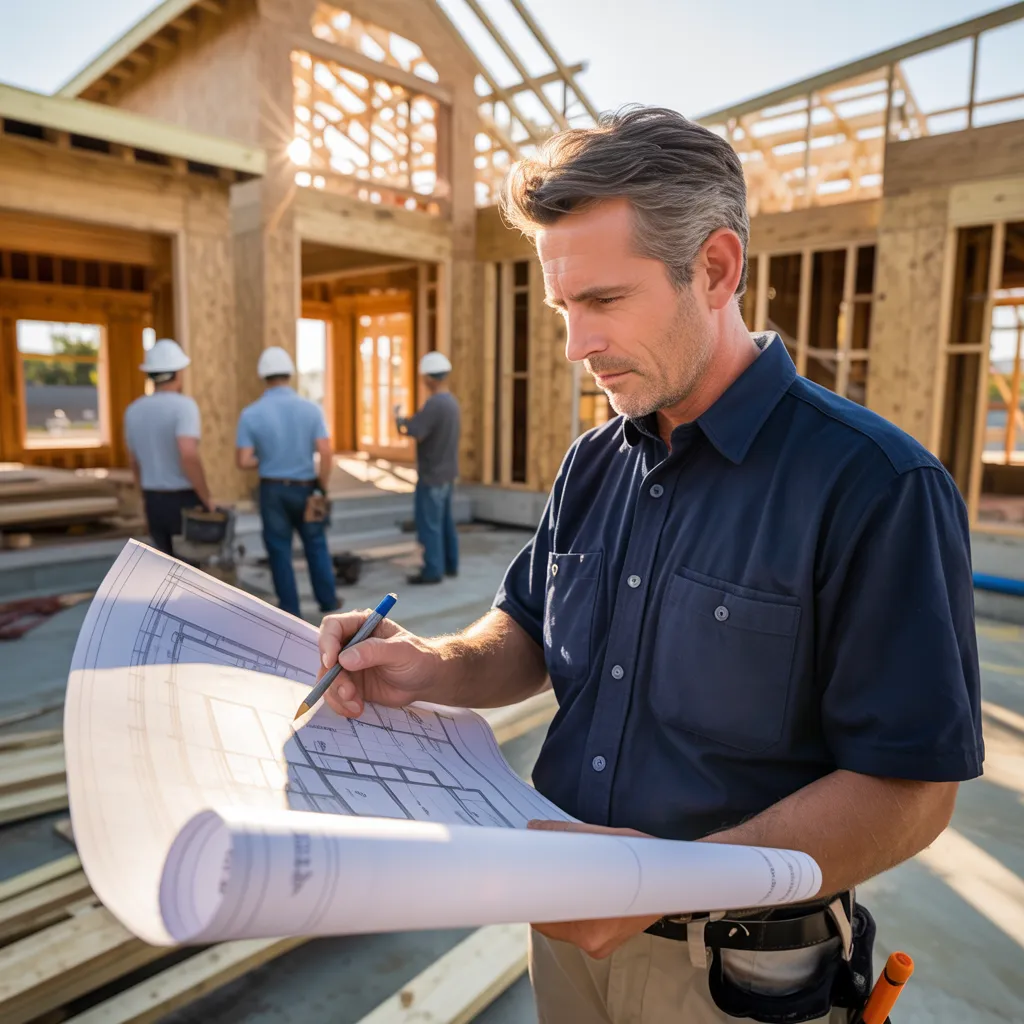
Essential Characteristics of a Reliable Home Builder
When assessing a home builder, the foundation of a successful partnership centers on their essential qualities. A trustworthy home builder shows strong interpersonal skills, preserving clarity throughout the construction process. They must possess vast professional experience, which allows them to overcome challenges and produce excellent results. Careful consideration is yet another important quality; it shows their commitment to quality workmanship and respect for building codes.
Furthermore, an exceptional builder should develop a strong name, grounded by positive comments and testimonials from former clients. This credibility is typically created through dependability and accountability when meeting deadlines and financial constraints. Adaptability likewise serves as an essential component, since a builder must be responsive to customer feedback and willing to revise plans as required. Ultimately, these traits work together to generate a teamwork-oriented environment, vital for achieving a customer's concept in practical form.
Benefits of Choosing the Right Contractor for Your Dream Home
Choosing the right builder significantly improves the home construction experience, translating visions into tangible results. A skilled builder not only brings professionalism and expertise but also guarantees adherence to timelines and budgets. This reliability fosters peace of mind for homeowners, knowing their investment is in trustworthy hands.
Moreover, a well-regarded builder often has strong ties with distributors and trade professionals, leading to premium materials and workmanship. This can result in a more durable and efficient home, ultimately reducing long-term maintenance costs.
Additionally, the right builder supplies valuable insights during the design phase, adapting the home to fulfill specific needs and preferences. Their understanding of area regulations and construction codes can accelerate the licensing procedure, minimizing postponements.
Ultimately, choosing the right contractor sets a strong foundation for a productive endeavor, increasing fulfillment and guaranteeing that the cherished residence turns into a tangible result.
What Lies Ahead During Your Home Building Journey?
What might homeowners experience during the home building journey? The process starts with an initial consultation, where property owners outline their vision and budget with the builder. This stage often includes site selection and obtaining necessary permits, which can take time and demand patience.
Once planning is underway, construction phases commence, entailing preparatory ground tasks, building the frame, and installing utilities. Homeowners should prepare for regular progress reports and monitoring visits to assess progress. Challenges may arise, such as weather delays or material shortages, which are expected in the building sequence.
As the assignment concludes, homeowners will engage in final appraisals, ensuring everything fulfills their preferences. This journey concludes in the exciting moment of receiving the keys to their new home. Throughout this process, clear communication with the builder is fundamental to overcome challenges and promise that the final result accords with the homeowner's vision.
Key Questions to Examine Your Home Builder
When evaluating a home builder, it's important to assess their experience and credentials to ensure they have a proven track record. Furthermore, examining their communication and responsiveness can provide insight into how effectively they will oversee the construction process. Posing the appropriate inquiries can help prospective homeowners make informed decisions.
Experience and Qualifications
When potential homeowners begin on the journey of building their dream home, comprehending a contractor's experience and credentials becomes essential. Assessing a contractor's history of work is vital; time spent in the field often demonstrate reliability and expertise. Homeowners should inquire about completed projects, focusing on craftsmanship and aesthetics that align with their vision. Certifications and licenses further validate a builder's dedication to professional norms and regulations. Additionally, looking into memberships in professional organizations can provide insights into the builder's dedication to continuous learning and quality standards. Homeowners should also seek references from past clients to measure contentment and results. Ultimately, evaluating experience and credentials lays a strong foundation for a successful building partnership.
Communication and Responsiveness
How effectively a builder communicates can greatly shape the home-building experience. Those looking to buy a home should assess a builder’s responsiveness during the early inquiries. Consider the following questions: How fast does the builder reply to calls or emails? Are they ready to meet personally to review project details? Strong communication not only fosters trust but also ensures expectations are met. Also, inquire about how updates are provided during the construction process. Are there regular updates provided to homeowners? Is there a system in place to handle concerns? Willingness by the builder to engage openly and regularly indicates their focus on customer satisfaction. At the end of the day, clear communication useful tips and responsiveness are crucial for a seamless and successful home-building journey.
A Guide to Reviewing Home Builder Feedback
What points should one examine when reviewing home builder feedback? First, it is vital to assess the origin of the reviews. Trusted platforms or websites with verified customer experiences establish credibility in the comments. Next, potential buyers should seek out patterns in the reviews. Consistent observations concerning build quality, communication, and promptness can shed light on the builder's reliability.
Moreover, separating personal views from factual data is essential. Observations about individual moments may differ, but detailed information about quality of work or project completion can provide useful information.
Further, the timing of the reviews holds importance; recent feedback often shows a builder's current performance and practices. Finally, factor in the overall rating combined with individual reviews, as a high average may indicate a generally positive reputation despite a few negative experiences. By meticulously evaluating these factors, one can make a more strategic decision when selecting a home builder.
Advice for Developing a Dependable Partnership With Your Builder
Building a strong relationship with a home builder copyrights on effective communication and explicit expectations. Having open channels for dialogue facilitates both parties to express concerns and updates throughout the construction process. Also, defining specific expectations from the start cultivates a collaborative environment, elevating overall project satisfaction.
Create Communication Channels
Effective interaction serves as the foundation of a successful relationship between homeowners and builders. Establishing transparent communication channels supports transparency and trust throughout the construction process. Homeowners should prioritize regular check-ins, utilizing various methods such as emails, phone calls, or in-person meetings to guarantee that concerns are addressed promptly. Builders, in turn, should provide updates on project progress and any potential challenges, promoting a two-way dialogue. This proactive approach helps to minimize misunderstandings and promotes a collaborative atmosphere. Additionally, homeowners should feel comfortable voicing questions or suggestions, while builders should remain open and responsive. By nurturing these open lines of communication, both parties can work together effectively, ultimately leading to a more satisfying home-building experience.
Set Distinct Expectations
When homeowners and builders convey clear expectations from the beginning, the groundwork for a strong relationship is created. This transparency helps both parties understand project schedules, budget constraints, and aesthetic choices, reducing misunderstandings. Homeowners should express their concept and key objectives, while builders must convey practicality and potential challenges. Regular check-ins throughout the project guarantee that any modifications are made collaboratively. Establishing a detailed contract that outlines responsibilities, timelines, and payment schedules further solidifies this understanding. By prioritizing transparency, both homeowners and builders can foster confidence and accountability. In the end, establishing transparent guidelines not only enhances dialogue but also contributes to an smoother building project, resulting in the realization of the homeowner's ideal residence concept.
Often Requested Questions
What Timeframe Should You Expect for the Home Construction Process?
Home construction processes generally take six to twelve months, based on elements including complexity of design, permitting, and climatic factors. Each project differs, affecting total timelines and completion dates significantly.
Which Funding Choices Are Available for Home Construction?
Multiple funding choices for home construction consist of conventional loans, FHA loans, construction-to-permanent loans, and personal loans. Each option offers varied terms and conditions, allowing individuals to choose based on their financial circumstances and project requirements.
Is it Possible to Adjust Details During the Construction Phase?
Yes, changes can typically be made during the construction period. However, the extent and feasibility are contingent on the project phase, monetary consequences, and the builder's standards, necessitating clear communication between the homeowner and the construction firm.
What Coverage Do Builders Usually Deliver After Project Completion?
Builders typically provide guarantees covering structural issues, workmanship, and materials for a set timeframe, often spanning one to ten years. These warranties guarantee coverage against possible problems that may occur post-completion of the construction.
In What Ways Do Construction Delays Get Communicated to Homeowners?
Delays in construction are usually reported to property owners through periodic updates through telephone or email. Builders may additionally present formal documentation explaining the reasons for postponement, projected completion dates, and actions being implemented to tackle these concerns.
Report this page